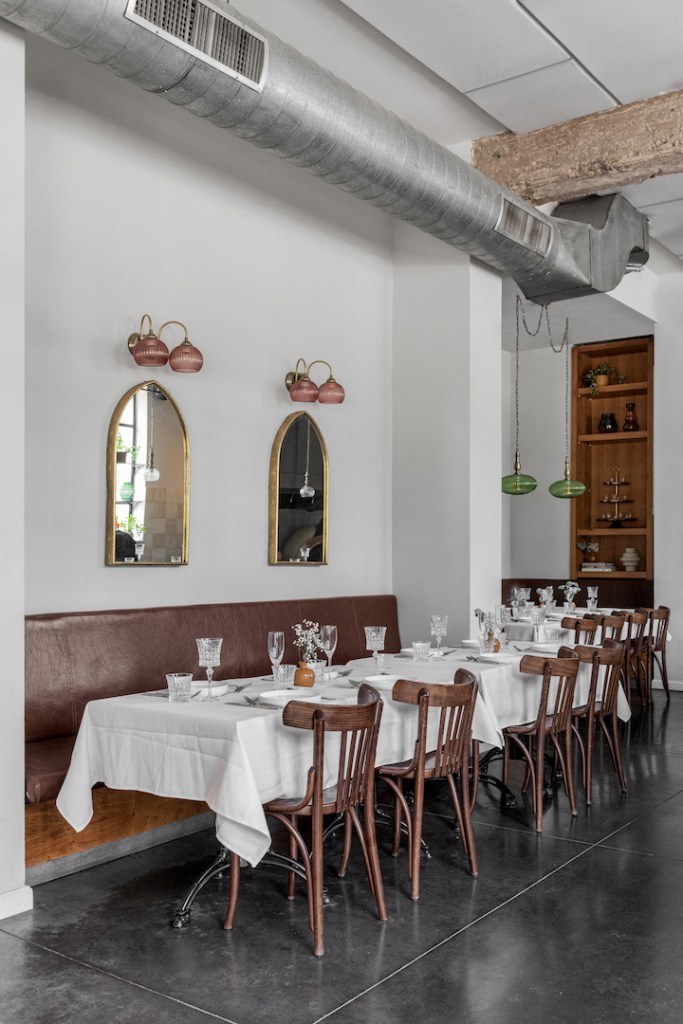
Interior planning, design, and styling for a restaurant and culinary event space in central Jerusalem, created as a place for hosting, cooking, and shared food experiences.
Shukriya was designed as a culinary space rooted in the spirit of Jerusalem—its food culture, layered history, and rich mix of communities.
Led by the vision of the owners, Abraham and Odia—a chef and a pastry chef—the brief called for a space that feels authentic, welcoming, and deeply connected to the act of hosting.
Rather than designing a conventional restaurant, the goal was to create a flexible environment that supports cooking workshops, intimate events, and shared meals. The design explores the question of how a contemporary space can reflect Jerusalem’s cultural diversity while remaining cohesive and calm within an urban setting.
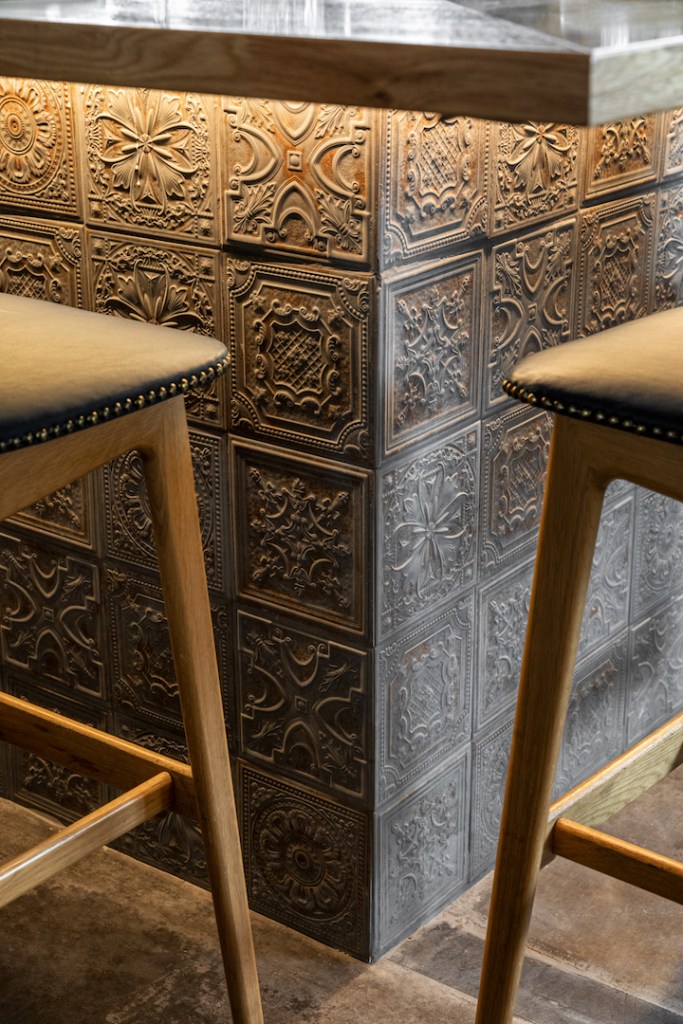
Materials, textures, and details were carefully selected to create a warm and grounded atmosphere—one that tells a local story without relying on clichés. The result is a space that brings together food, people, and place, expressing a modern interpretation of Jerusalem hospitality through interior design.
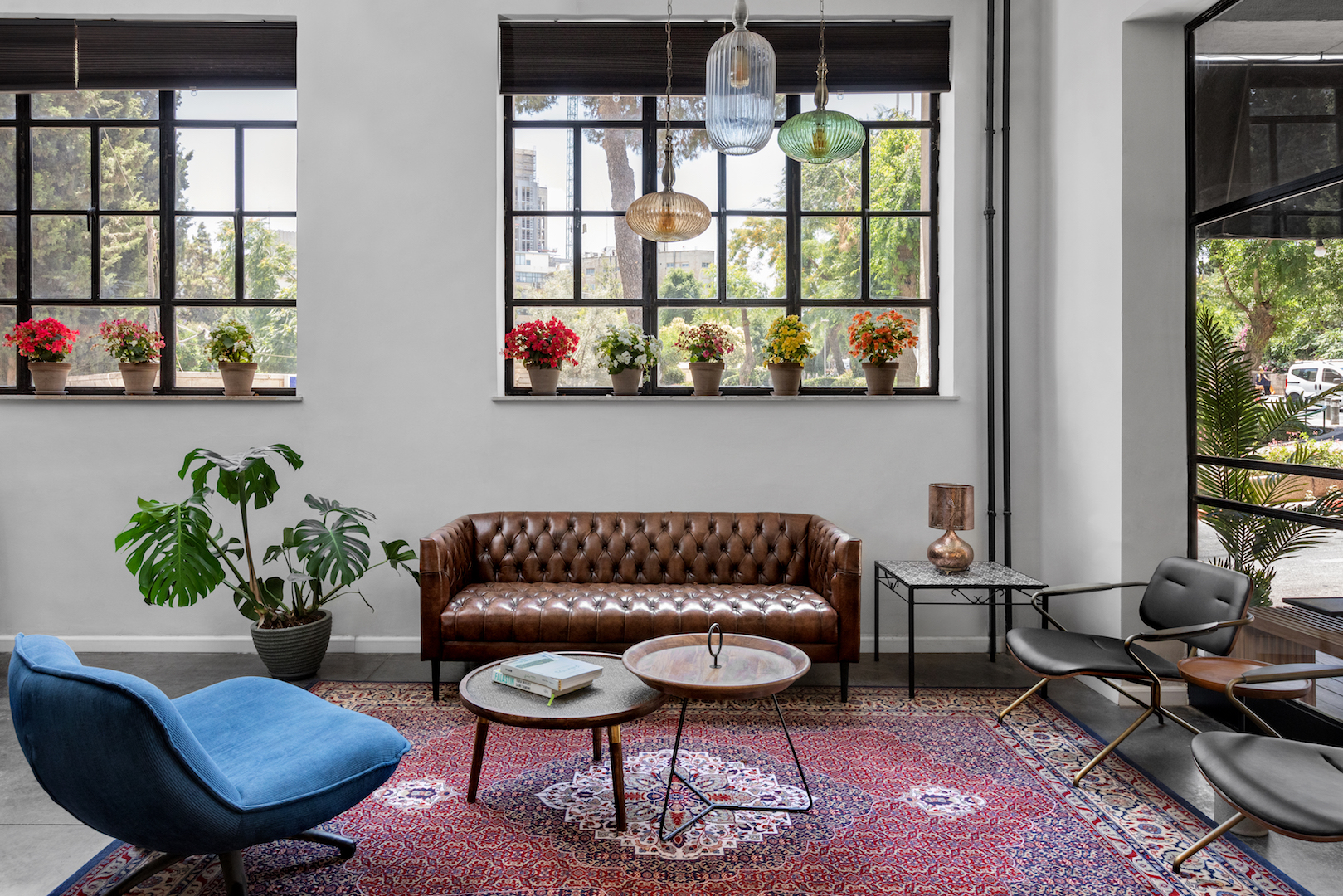
This part of the space is designed as a living room—similar in atmosphere to a domestic setting. A variety of seating types and warm, inviting materials create a relaxed environment where guests can feel at ease, engage in conversation, and remain connected to the larger open space of Shukriya.
Siftah
Visible from the outside, the living room space invites guests in and creates a siftah—a welcoming introduction to Jerusalem-inspired culinary hospitality.
Order and Hierarchy
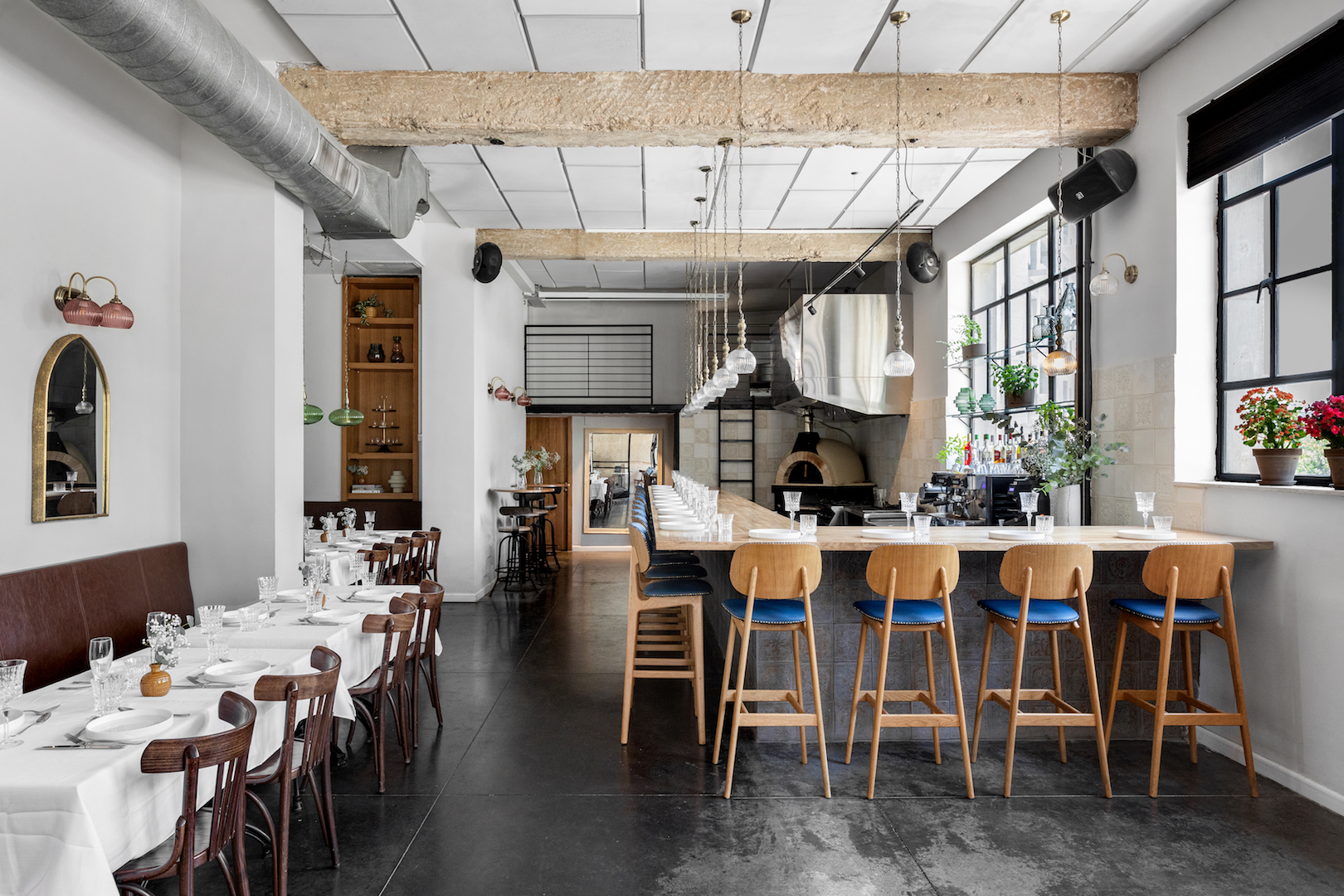
The space is organized along a clear central axis visible from the entrance. To the right, a living-room–style seating area creates a welcoming atmosphere, while at the heart of the space stands a 10-meter-long, R-shaped bar. To the left of the bar, a series of intimate seating areas accommodates different group sizes, offering flexibility within a cohesive layout.
A New Interpretation of an Ancient Tradition
The design explores how a contemporary space can reinterpret Jerusalem’s rich cultural diversity within its urban center—creating a place that feels rooted, relevant, and alive.
An Intimate Space Within an Open Space
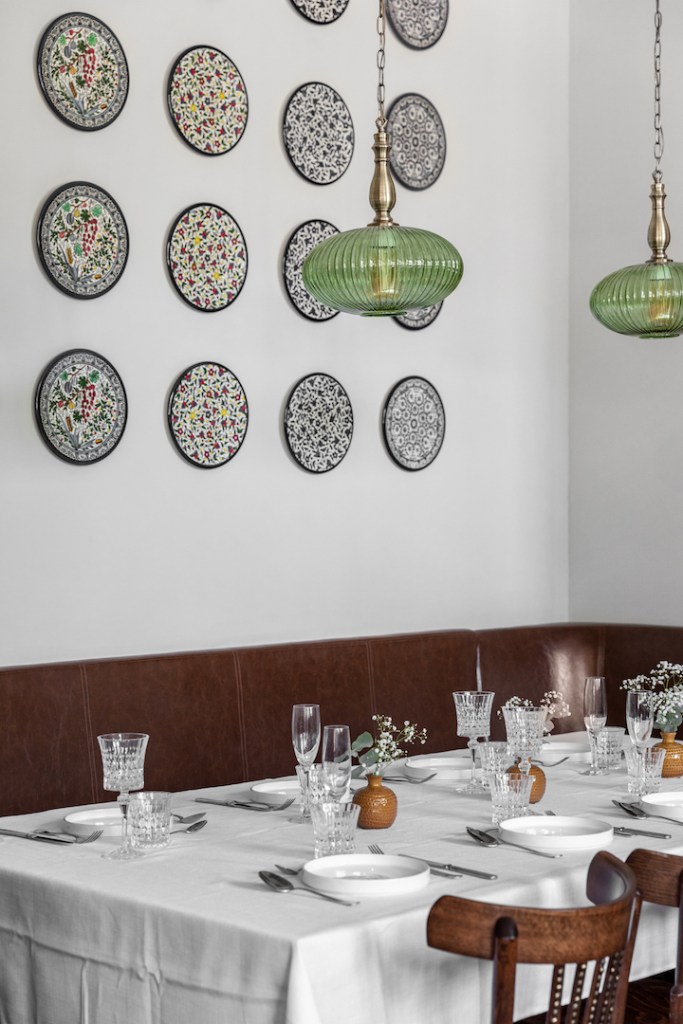
Along the central axis, niches are carved into the walls to create softly lit, intimate corners. The use of glass, copper, leather, and ceramic materials enriches these areas, offering warmth and a sense of enclosure within the larger open space.
Collectibles
Traditional serving tools displayed in a restored iron showcase create a dialogue between craft, industry, and the layered history of the place.