Kitchen Design in Israel: Planning a Functional and Precise Space
In many homes, the kitchen is considered the heart of the house. But in Israel, it often plays an even more central role.
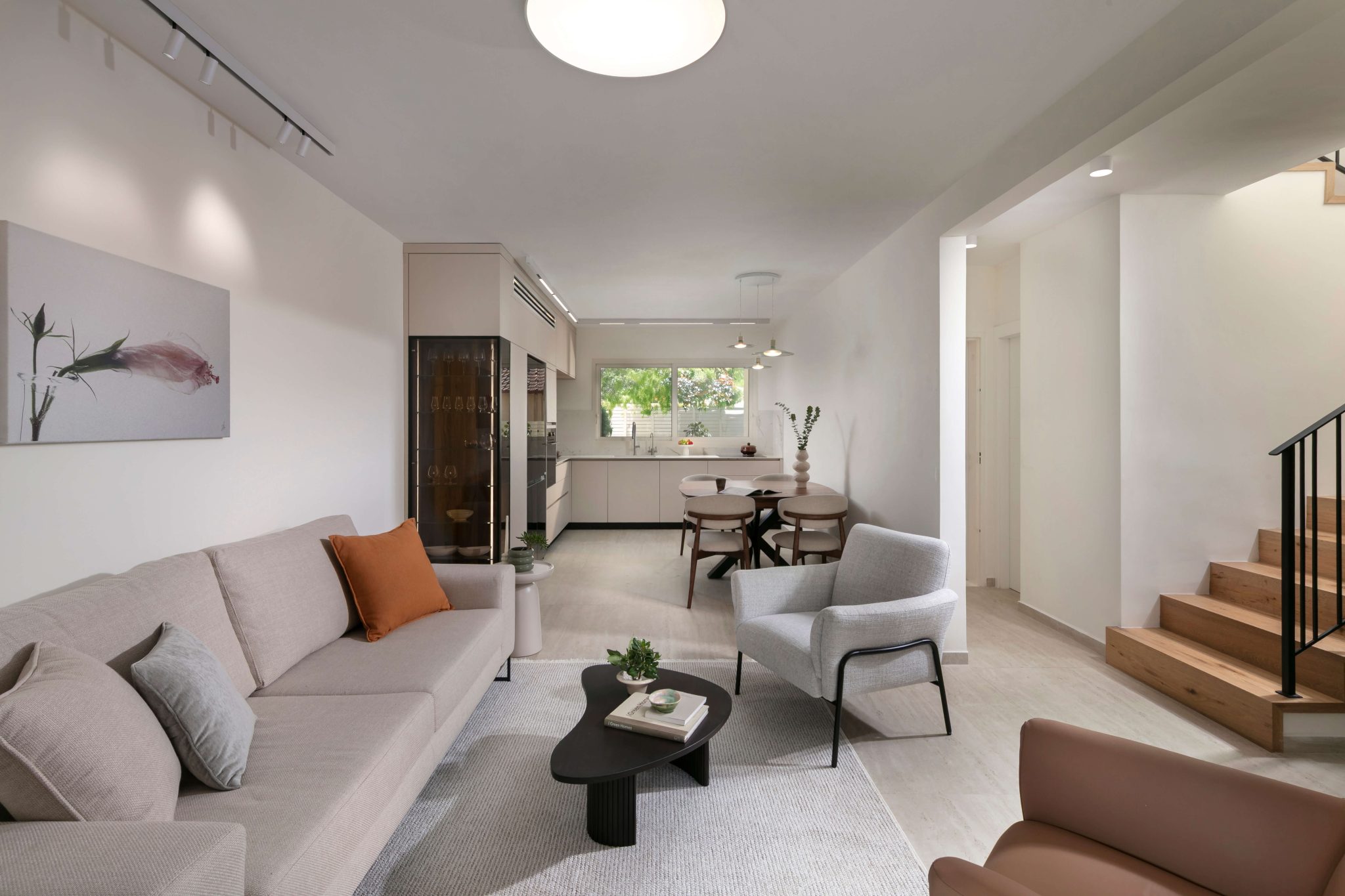
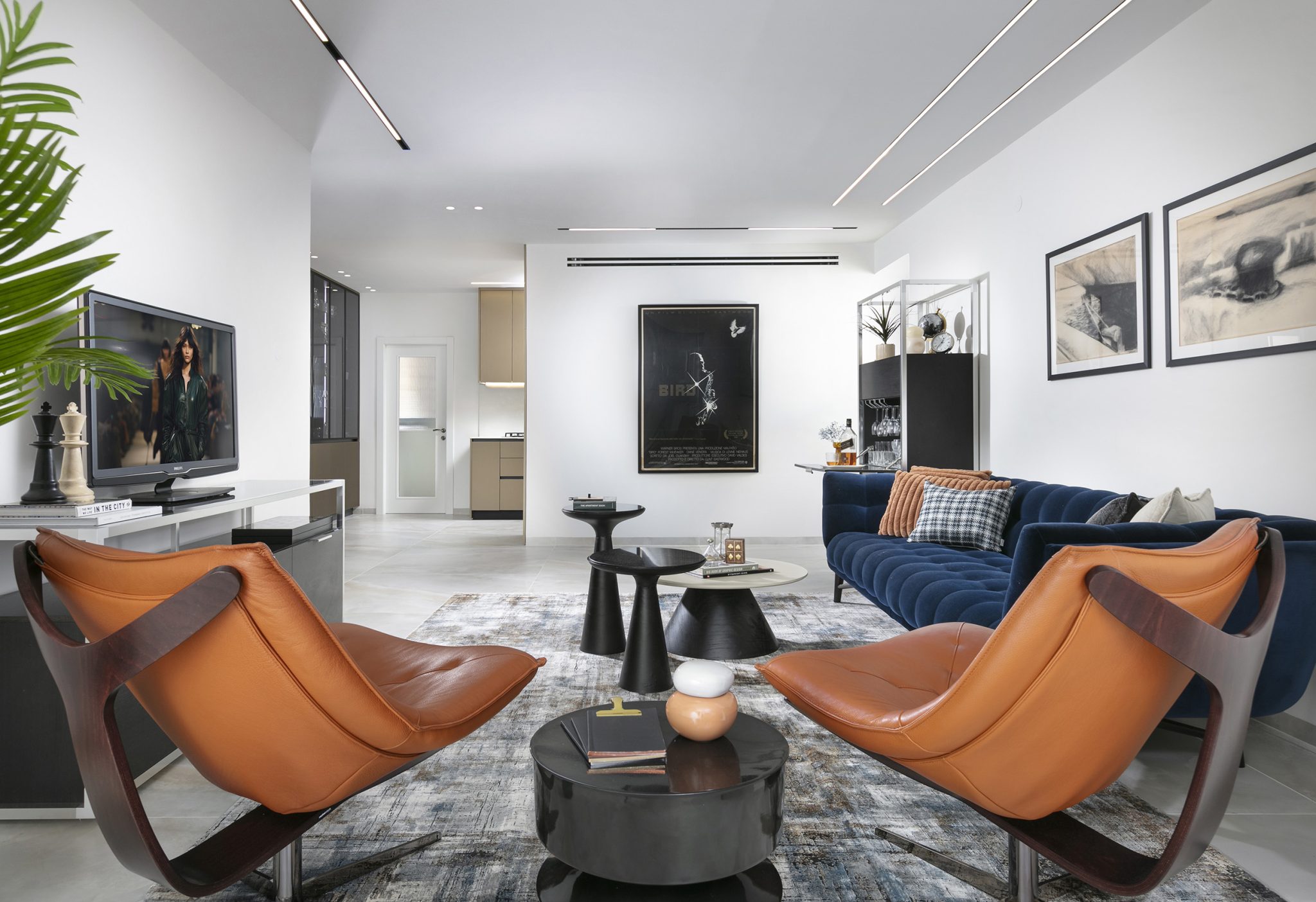
Unlike in many parts of the world where the kitchen is a separate room, Israeli homes frequently integrate the kitchen into the main living space. This creates a continuous open-plan environment that includes the living room, dining area, and kitchen.
As a result, kitchen design is not just about function — it becomes a key element in shaping the entire space.
In open-plan layouts, the kitchen is always visible. It is no longer a hidden, purely functional area — it becomes part of the overall composition of the home.
This requires a different way of thinking:
The kitchen must relate to the living room and dining area
Materials and finishes need to create a cohesive language
Proportions and volumes must feel balanced within the entire space
In this context, the kitchen is designed as a piece of architecture — and often as a piece of furniture — rather than just a technical workspace.
Seamless Indoor–Outdoor Living – A Renovated Private Home Designed for Flow and Connection
2. Planning Before Aesthetics
2. Planning Before Aesthetics
Family Dining in Rehavia – Jerusalem Stone as a Timeless Design Element
A successful kitchen begins long before selecting finishes or appliances.
It starts with understanding how the space is used:
How do you move within the kitchen?
Where are the key work zones?
How does the kitchen connect to the rest of the home?
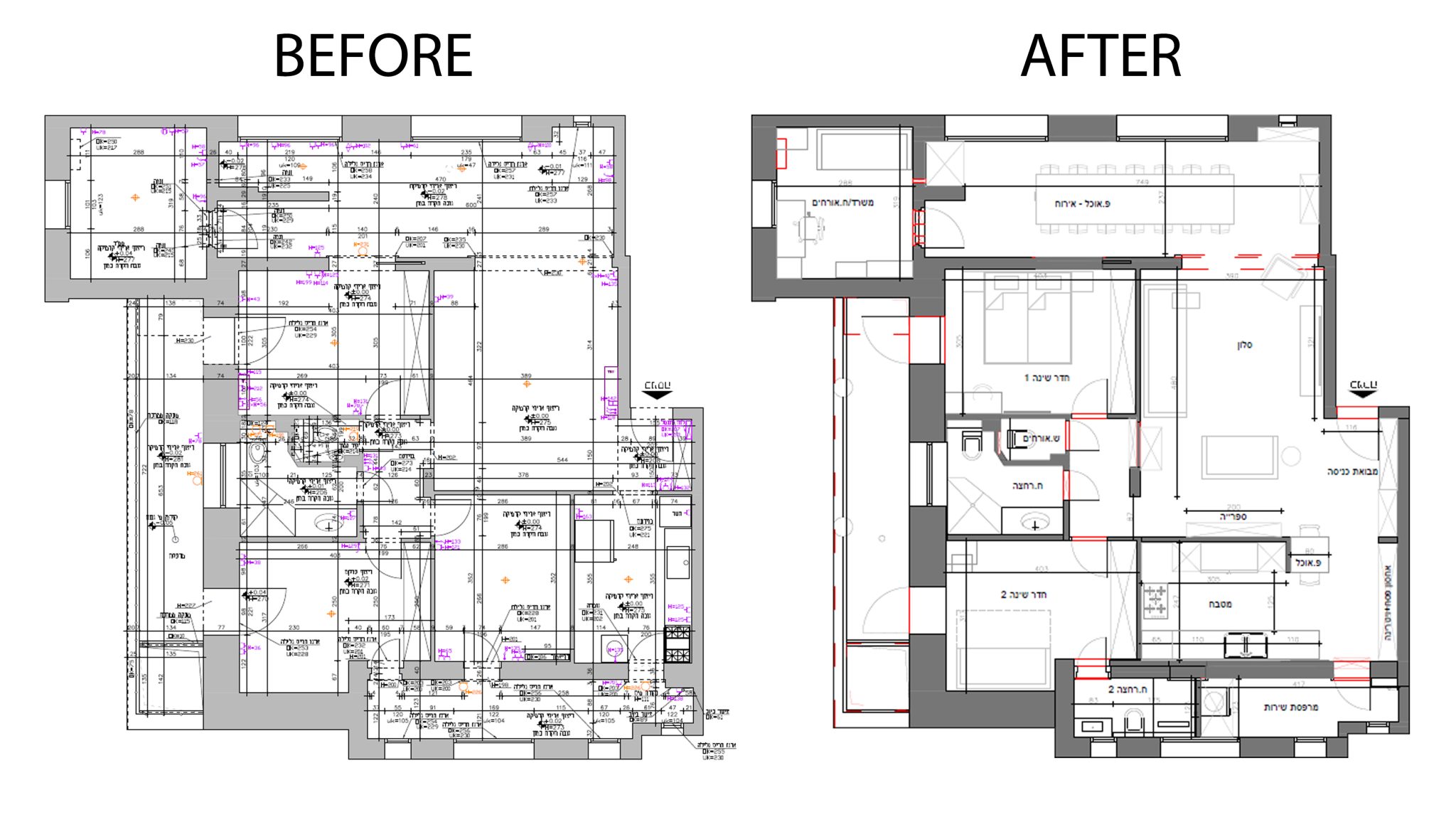
In Israel, where open spaces are common, these decisions affect not only the kitchen itself, but the flow of the entire living area.
Precise planning ensures that the kitchen functions effortlessly while maintaining a clean and composed visual presence.
One of the key challenges in Israeli homes is balancing openness with definition.
An open-plan layout should feel spacious — but not undefined.
This is where partial separation becomes essential.
Instead of walls, separation can be created through:
Layout and positioning
Changes in materials or flooring
Ceiling design and lighting
Kitchen islands or custom elements
These subtle boundaries allow the kitchen to remain connected to the space, while still maintaining its own identity — and sometimes concealing areas that are better kept out of sight.
Elegant Master Suite in the Jerusalem Hills – A Private Retreat After Renovation
4. Precision in Materials and Details
4. Precision in Materials and Details
Contemporary Kitchen Design in Rehavia – Renovation Within a TAMA 38 Project
Conclusion
Designing a kitchen in Israel is not only about creating a functional workspace. It is about shaping a central element within an open and connected living environment.
When approached through careful planning, thoughtful separation, and attention to detail, the kitchen becomes an integral part of the home — both visually and functionally.
Modern Yet Warm Kitchen Design in Gilo – Transforming a Contractor Apartment
Ready to design your home in Israel?
Contact YUNU DESIGN to schedule an introductory consultation and explore how we can transform your new property into a refined and meaningful living space.