
Jerusalem, a city known for its rich history and unique architecture, presents a distinct challenge and opportunity for home design. Whether you’re renovating a historic property or building a modern house, working with a professional house designer in Jerusalem can elevate your project. Here’s everything you need to know about hiring the right designer and how they can bring your vision to life.
Why Hire a House Designer in Jerusalem?
Designing or renovating a home in Jerusalem comes with its own set of challenges, including preserving traditional elements, navigating local regulations, and optimizing functionality within unique spaces. A house designer familiar with Jerusalem’s architecture and cultural nuances offers several benefits:
- Tailored Solutions: Designers create personalized spaces that suit your lifestyle, blending traditional and modern elements seamlessly.
- Expert Knowledge: They understand local materials, climate considerations, and architectural styles, ensuring the design is both practical and beautiful.
- Smooth Execution: From planning to project management, a designer handles every detail, saving you time and avoiding costly mistakes.
The Importance of Local Materials
In Jerusalem, using local materials is more than a design choice—it’s a way to honor the city’s unique identity and maintain harmony with its architectural landscape. For example:
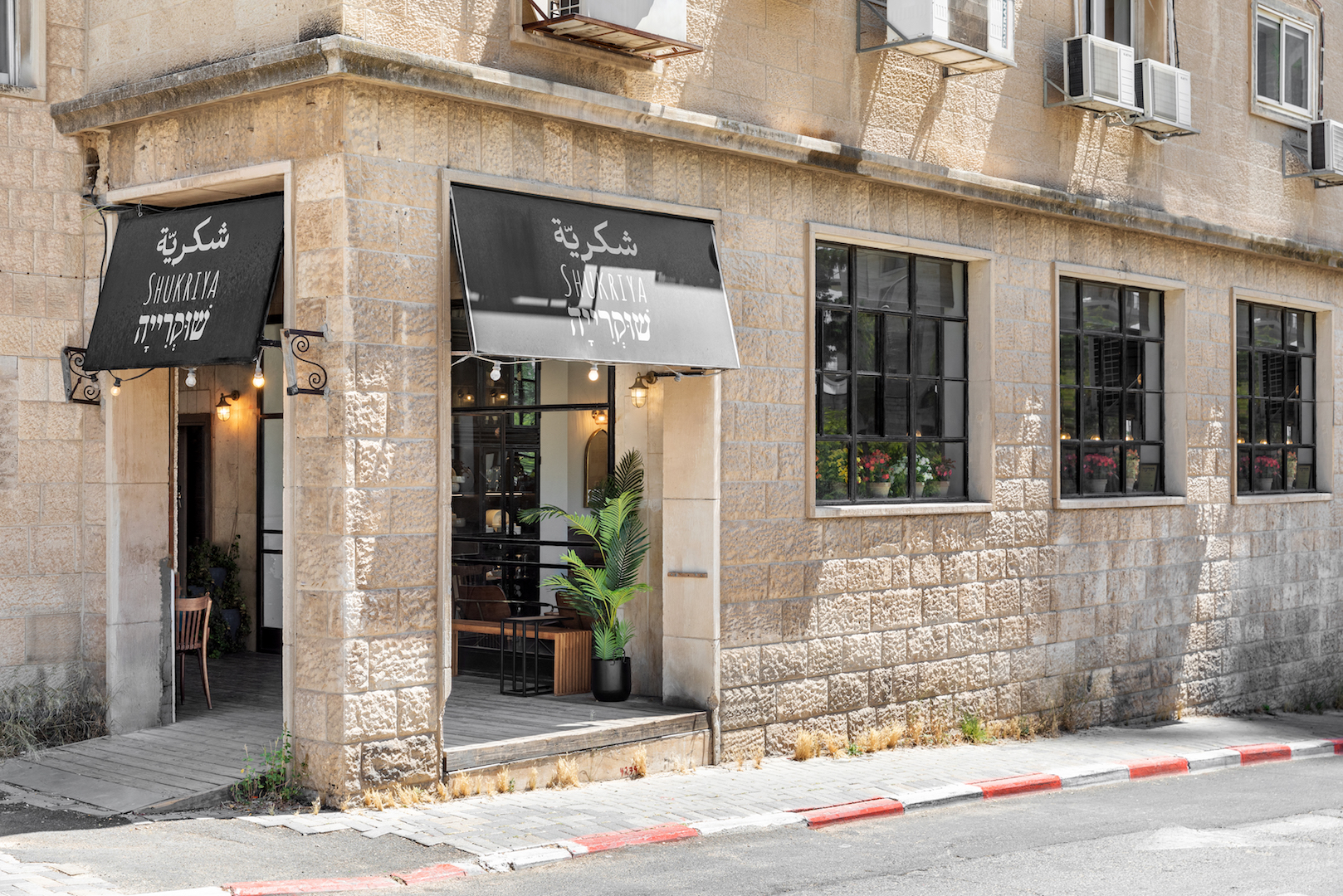
- Jerusalem Stone: A defining feature of the city, this limestone is used extensively in facades, floors, and decorative elements. Its natural texture and warm hues provide a timeless, elegant look.
- Natural Wood: Locally sourced wood is often used for furniture, beams, and accents, blending warmth and durability.
- Sustainable Options: Designers often prioritize environmentally friendly materials suited to the Mediterranean climate, such as energy-efficient windows and insulated stone.
Incorporating these materials ensures your home not only reflects the city’s heritage but also withstands local environmental conditions, such as temperature changes and sunlight exposure.

Neighborhood Differences in Design
Jerusalem’s diverse neighborhoods each have their own architectural character and lifestyle considerations, which significantly influence design choices:
- Old City: Homes in this historic area often feature arched windows, narrow layouts, and ancient stone walls, requiring careful preservation during renovations.
- Rehavia: Known for its classic elegance, homes here typically incorporate spacious layouts and a blend of modern and traditional styles.
- German Colony: Characterized by charming, rustic villas, designs often emphasize garden spaces and vintage aesthetics.
- Talpiot and Har Homa: These newer neighborhoods lean toward contemporary design, with open floor plans and modern finishes being popular choices.
Understanding the unique attributes of each neighborhood allows house designers to create homes that not only fit the local character but also cater to the residents’ specific needs.
Step 4: Plan the Layout
The layout of your home is crucial for both aesthetics and functionality. Your designer will help you:
- Optimize the flow between rooms
- Make the most of your space
- Ensure the design aligns with your lifestyle (e.g., family-friendly, entertainment-focused)
This stage often includes creating floor plans and 3D renderings to visualize the final design.
What to Expect When Working with a House Designer
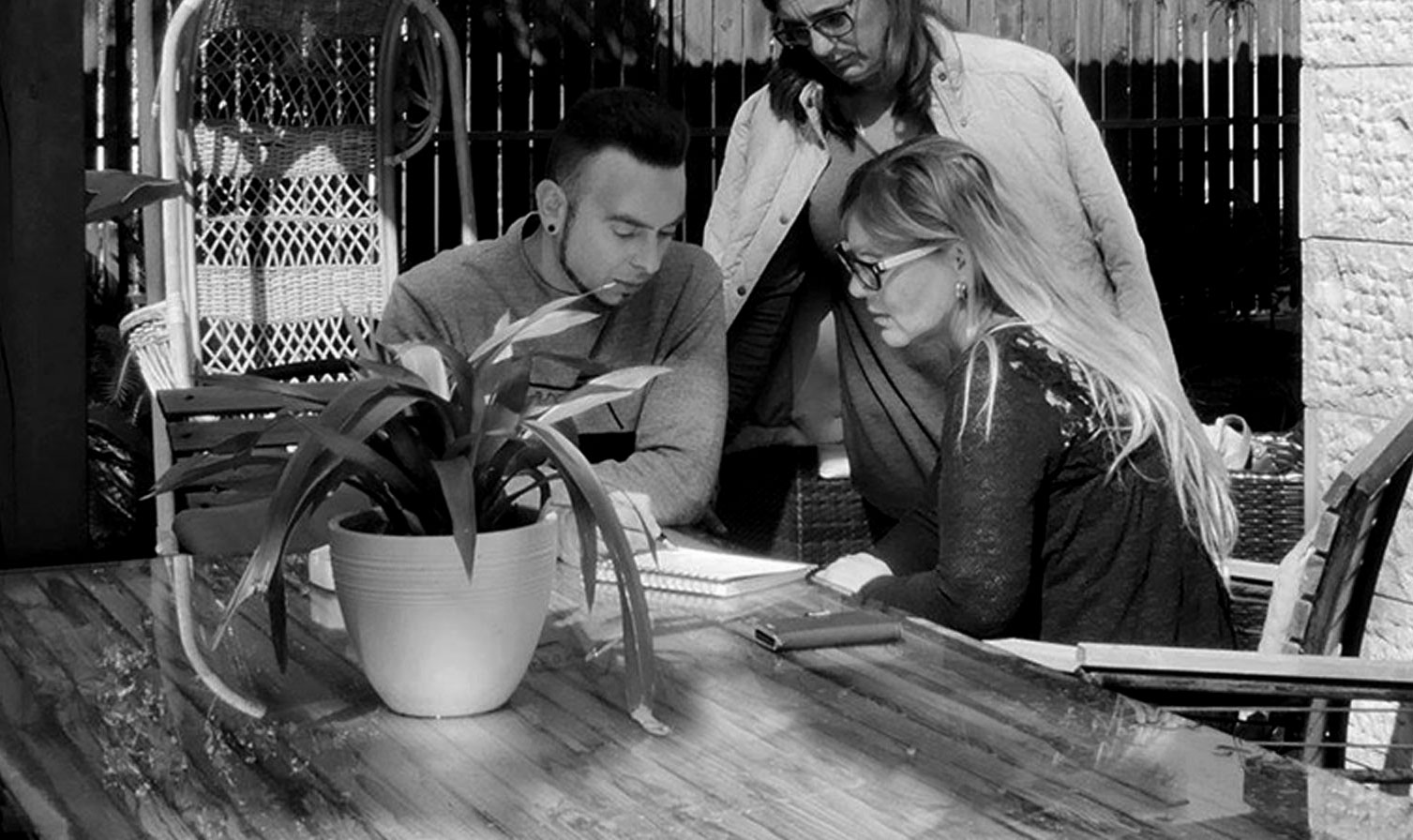
A house designer in Jerusalem guides you through the design process, turning your ideas into a functional and aesthetically pleasing reality. Here’s what the process typically involves:
-
Initial Consultation
The designer begins by understanding your goals, preferences, and budget. This includes discussing the purpose of the space, your design style, and any specific features you want to incorporate. -
Concept Development
Using your input, the designer creates an initial concept with layouts, sketches, or digital renderings to illustrate the vision for your home. -
Material and Finish Selection
The designer helps you choose materials, colors, and finishes that complement your style while considering durability and local availability. -
Detailed Planning
Floor plans and technical drawings are finalized to ensure all elements, from furniture placement to lighting, align with the overall design. -
Project Management
The designer oversees contractors, suppliers, and schedules, ensuring the project runs smoothly and stays within budget. -
Final Touches
Once construction is complete, the designer adds decorative elements and ensures every detail reflects the original vision.
Conclusion
Hiring a house designer in Jerusalem is an investment in creating a home that’s functional, beautiful, and uniquely yours. By incorporating local materials and respecting the distinctive character of your neighborhood, a professional designer ensures your renovation or build exceeds expectations.
With their expertise in blending traditional and modern elements, navigating local challenges, and managing projects efficiently, you can transform your Jerusalem house into a dream home that reflects your lifestyle and personality.